
What to do after water damage
The first ten minutes matter more than the rest of the week combined.
Call For Help(936) 274-144624/7 emergency line. Free estimates from local pros.
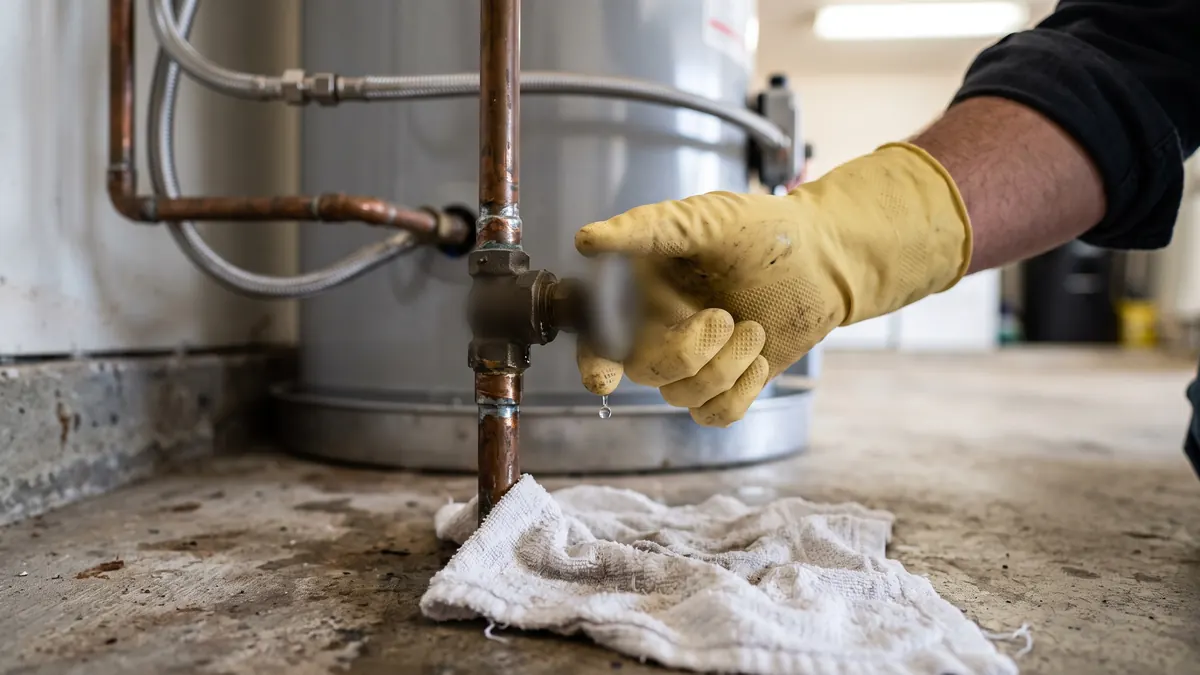
Get through the first ten minutes right, and the rest of the process goes easier. Here’s the order that actually matters, broken into stages instead of one long list.
First ten minutes
- Cut the water at the source if you can reach it safely, whether that’s a supply line, a toilet, or an appliance.
- If you can’t stop it right at the fixture, find the main shutoff. In most Conroe homes it sits in a small box near the curb, close to the meter; open the lid and turn the valve fully until it stops.
- Water spreads fast and flat across a slab floor instead of pooling in one spot, so check every room on that level, not just where you first noticed it.
First few hours
- Photograph everything before you clean up: the water line on the walls, the source if it’s visible, anything that’s already damaged.
- Notice a stain on the ceiling instead of water in the attic? Attic lines drain downward when they fail, so damage often shows up below the leak, not at it.
- If you haven’t called your insurer yet, do it today. Tell them the basics: which room, what caused it, and about how far the water reached.
First days
- Mold risk climbs the longer things stay wet, so the goal is everything dry by the two-day mark.
- Keep drying equipment running even once surfaces feel dry to the touch. Material underneath often holds water longer than the surface shows.
- Not sure what’s worth keeping? As a rule, if something absorbent sat wet for more than a couple of days, paper goods, pressed wood, older carpet padding, plan on replacing it instead of trying to dry it out.
First week
- If the damage goes past what a fan and an open window can fix, bring in help for what you can’t see: inside walls, under flooring, behind cabinets.
- Keep every receipt tied to the loss, from a pump rental to a hotel stay, in case your policy reimburses any of it.
- The claim moves easier when you can show what you did and when, not when you rush the drying to wrap up sooner than the moisture readings allow.
Do the boring steps first
None of the steps above are complicated. A shutoff valve, a phone call, a photo. They’re just easy to skip in the moment, and skipping them is what turns a manageable claim into an argument later. The emergency water removal page shows what a real extraction visit involves once you’ve made the call, and the insurance coverage guide answers what typically gets paid for. The drying time guide shows how long the equipment actually needs to stay running, day by day.
Common questions
Is it worth filing a claim over a small leak?
Not always. A small, cheap fix can cost more in future premiums than it saves. A bigger loss, or anything involving flooring or drywall, is usually worth reporting. Weigh the size of the damage against your deductible before you decide.
If I rent, is this on me or my landlord?
It splits. You're generally responsible for your own belongings, and your landlord is generally responsible for the structure, plumbing, and fixtures. Tell your landlord right away either way, since delays can complicate who pays for what.
Is it safe to stay in the house while it dries?
Usually, yes, if the damage is limited and there's no standing sewage or structural concern. If more than one room is affected, or you smell something off, ask whoever's handling the drying for a direct answer about your specific house.
Related pages
AC Condensate Overflow
Your air conditioner leaks on purpose. The trouble starts when that drip stops going where it's supposed to.
Learn more →Drying Time
Drying isn't one job. It's several days of equipment doing different work at different stages.
Learn more →Frozen Pipe Burst
A freeze doesn't wait for a good time, and neither should your next move.
Learn more →Insurance coverage
Coverage usually comes down to two questions an adjuster asks about how the water got in.
Learn more →Talk to a local pro now
We answer 24/7. One call gets a Conroe crew moving on your water damage, with a free estimate and help with your insurance claim.
Call For Help(936) 274-1446Free estimates. No obligation to hire.